US Players Thriving in Europe's Elite Leagues: A Deep Dive into Form and Future Prospects
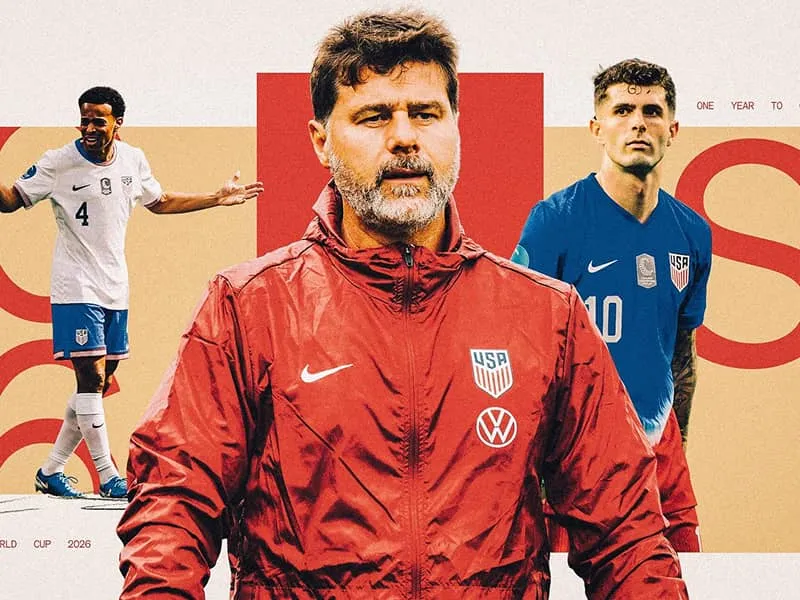
The landscape of American soccer players competing in Europe has undergone a remarkable transformation. As the 2026 World Cup approaches on home soil, the performance of United States internationals across Europe's elite competitions has never been more crucial. This comprehensive analysis examines how key American talents are adapting to high-level European football, their tactical roles, and what their club form means for national team aspirations.
The Evolution of American Players in Top European Leagues
The current generation of American footballers represents a paradigm shift in how USMNT players are perceived abroad. No longer viewed as experimental signings or marketing opportunities, these athletes have become integral components of their respective squads, often earning starting positions through merit alone.
This season has highlighted the diverse tactical profiles that American players bring to European football. From dynamic fullbacks patrolling the flanks to versatile midfielders controlling tempo, the technical sophistication displayed by these internationals reflects years of development both domestically and abroad.
The stakes have intensified considerably with the World Cup looming. Every match, every training session, and every tactical adjustment carries implications that extend far beyond club competitions. Coaches and fans alike scrutinize performances through a dual lens: immediate club success and long-term national team readiness.
Defensive Excellence: How American Fullbacks Are Redefining Their Roles
Modern fullbacks must possess a unique blend of defensive solidity, attacking prowess, and tactical intelligence. Several American defenders have mastered this demanding position, becoming indispensable to their clubs' systems.
The contemporary fullback operates almost as an auxiliary winger during possession phases, making overlapping runs, delivering dangerous crosses, and occasionally cutting inside to create scoring opportunities. Defensively, they must track back rapidly, contest aerial duels, and maintain positional discipline within their team's defensive structure.
Recent performances from American defenders in the Premier League showcase this evolution perfectly. One particular left-back has demonstrated exceptional recovery speed, consistently winning defensive duels while simultaneously leading his team in crosses delivered. His ability to transition from defense to attack within seconds exemplifies the modern fullback's requirements.
Statistical analysis reveals impressive metrics: completion rates exceeding 85 percent on progressive passes, double-digit tackle wins across recent fixtures, and multiple assists contributing directly to team victories. These numbers represent more than individual brilliance; they reflect seamless integration into sophisticated tactical systems.
The physical demands cannot be understated. Elite fullbacks cover upwards of 11 kilometers per match, with significant portions at high intensity. Maintaining this output throughout congested fixture schedules separates good players from exceptional ones.
Midfield Mastery: Versatility and Vision in Europe's Center
American midfielders competing abroad face perhaps the most intellectually demanding positions on the pitch. Whether deployed as deep-lying playmakers, box-to-box engines, or advanced creators, these players must read the game several moves ahead while executing technically precise actions under intense pressure.
The tactical flexibility displayed by American central midfielders has garnered significant attention. One midfielder's ability to operate across multiple positions—from holding midfielder to attacking midfielder—provides his coach invaluable tactical options. This versatility becomes particularly valuable during matches when formations shift or injuries force adjustments.
Ball retention statistics tell a compelling story about technical development. Completion percentages consistently above 90 percent in tight spaces demonstrate comfort under pressure that previous generations struggled to achieve. Progressive passing metrics—balls played forward that significantly advance team position—have increased substantially, indicating improved decision-making and vision.
Defensive contributions from midfielders often go underappreciated, yet they're essential to team balance. Successful interceptions, timely tackles, and intelligent positioning to cut passing lanes all contribute to winning possession. American midfielders are increasingly matching European counterparts in these defensive metrics while maintaining their offensive contributions.
The physical conditioning required for midfield play at elite European levels cannot be emphasized enough. Covering vast distances, engaging in numerous high-intensity sprints, and maintaining concentration through 90-plus minutes demands exceptional fitness and mental fortitude.
Striking Success: American Forwards Finding the Net
Perhaps nowhere is American progress more visible than in attacking positions. Several forwards have established themselves as reliable goalscorers in competitive European leagues, dispelling long-held stereotypes about American strikers' technical abilities.
The psychological aspect of striking cannot be overlooked. Confidence separates consistent goalscorers from sporadic contributors. Recent scoring runs by American forwards demonstrate not just technical improvement but mental resilience—bouncing back from dry spells with renewed determination.
Tactical positioning represents a crucial yet often invisible aspect of forward play. Understanding when to check to the ball versus when to run in behind, recognizing space between defensive lines, and timing runs to stay onside while maximizing scoring chances—these instincts develop through experience and coaching.
Statistical analysis reveals encouraging trends. Shot conversion rates have improved, with some American forwards matching or exceeding league averages. Expected goals models suggest sustainable production rather than fortunate anomalies. Assist numbers indicate well-rounded offensive games extending beyond personal goalscoring.
The physicality of European defending presents constant challenges. Strikers must withstand aggressive challenges, shield the ball under pressure, and win aerial duels against typically larger defenders. American forwards have increasingly demonstrated the strength and determination necessary to thrive in these physical battles.
Tactical Adaptability: Learning Multiple Systems
One underappreciated skill among successful Americans abroad is tactical adaptability. European clubs frequently adjust formations and strategies based on opponents, competition, and match situations. Players who quickly learn and execute various tactical roles become invaluable squad members.
The shift from American soccer systems to European tactical philosophies requires significant adjustment. Positional discipline, automatic movements triggered by teammates' actions, and understanding complex pressing schemes all demand intensive study and practice.
Different leagues emphasize different tactical approaches. The Premier League's pace and physicality contrast sharply with Serie A's tactical sophistication or La Liga's technical emphasis. American players navigating these environments must adapt their games while maintaining core strengths.
Communication represents another vital component. Understanding tactical instructions in foreign languages, building chemistry with international teammates, and grasping cultural nuances within team dynamics all contribute to successful integration.
The World Cup Factor: Present Performance and Future Implications
Every touch, every decision, and every statistic from American players abroad gets filtered through World Cup considerations. National team coaches monitor club performances meticulously, evaluating not just current form but trajectory and potential.
Competition for roster spots has intensified dramatically. The depth of American talent in Europe means established veterans cannot rest on past accomplishments. Younger players pushing for inclusion create healthy competition that elevates everyone's game.
Positional battles will define World Cup preparations. Multiple capable options at certain positions force difficult selection decisions. Conversely, thin depth at other positions makes certain players nearly indispensable regardless of temporary form dips.
Injury concerns loom large over World Cup planning. The congested European schedule, particularly for players involved in multiple competitions, increases injury risks. Managing workload becomes crucial for both club and country.
Tactical experimentation during club seasons provides valuable data for national team preparations. Observing how players perform in different systems, partnerships, and roles helps national team coaching staffs optimize their tactical approach.
Rising Stars: The Next Generation Making Their Mark
While established stars command attention, emerging American talents in Europe's top leagues represent the future. Young players earning meaningful minutes at prestigious clubs demonstrate the continued upward trajectory of American player development.
The pathway from domestic academies through European youth systems and eventually to first teams has become increasingly well-defined. Success stories inspire the next generation while providing practical roadmaps for development.
Loan systems play crucial roles in player development. Strategic loan placements allowing young Americans to gain regular playing time at appropriate competitive levels accelerate their growth. Success on loan often translates to opportunities at parent clubs.
Cultural adaptation challenges younger players especially. Moving abroad as teenagers requires maturity beyond their years—handling homesickness, learning languages, and adjusting to different training methodologies while performing under intense scrutiny.
Statistical Deep Dive: Numbers That Tell the Story
Modern football analysis relies heavily on advanced metrics that reveal nuances traditional statistics miss. For American players abroad, these metrics provide objective measures of performance and improvement.
Expected goals (xG) and expected assists (xA) models help evaluate the quality of chances created and converted. These metrics account for shot location, angle, and defensive pressure, providing context beyond raw goal tallies.
Progressive passing statistics measure how effectively players advance their team upfield through passing. Progressive carries similarly quantify ball progression through dribbling. These metrics highlight playmaking abilities that may not appear in assist columns.
Defensive actions per 90 minutes, pressures applied, and successful tackle percentages paint comprehensive pictures of defensive contributions. For versatile players expected to contribute on both sides of the ball, these metrics prove essential.
Physical output data—distances covered, high-intensity runs, and sprint statistics—demonstrate conditioning levels and work rates. Maintaining elite physical metrics through congested schedules separates top performers from the rest.
Challenges and Obstacles: What American Players Must Overcome
Despite obvious progress, American players abroad face persistent challenges that impact their careers and national team prospects. Understanding these obstacles provides context for evaluating performances and projecting future development.
Competition for playing time remains fierce at elite European clubs. Squad depth and international recruitment mean American players must consistently perform at the highest levels to maintain starting roles. One poor stretch can result in prolonged bench time.
Cultural and linguistic barriers, while diminishing over time, still present challenges. Building relationships with teammates, understanding tactical instructions, and integrating into local communities all require effort and adjustment periods.
Media scrutiny intensifies for national team regulars. Every performance gets dissected, every mistake magnified. Managing external pressure while maintaining focus on improvement requires mental strength and support systems.
Contractual situations can complicate matters. Loan deals, option-to-buy clauses, and transfer speculation create uncertainty that can impact players' mental states and performance levels.
The Road Ahead: Preparations for 2026
With the World Cup approaching rapidly, every remaining month of European competition carries heightened significance. The performances being delivered now will largely determine roster compositions and tactical approaches next summer.
Maintaining health through the remainder of the season tops the priority list. Avoiding serious injuries while continuing to contribute meaningfully for clubs represents the optimal scenario for all American players abroad.
Building positive momentum heading into the tournament could prove psychologically crucial. Players arriving at the World Cup in good form and confidence will be better prepared for the pressure and intensity of the global stage.
Tactical refinement continues even at elite levels. As players gain experience in their European systems, incorporating those tactical lessons into national team play will enhance overall team cohesion and sophistication.
The diversity of systems and competitions American players experience abroad should provide the national team with tactical flexibility. Drawing on varied experiences and approaches could prove advantageous in navigating different opponents and match situations.
Conclusion: A Golden Generation Fulfilling Its Promise
The current cohort of American players competing in Europe's elite leagues represents perhaps the most talented and accomplished generation in United States soccer history. Their individual and collective successes are rewriting expectations and establishing new standards.
As the World Cup approaches, performances across European competitions will continue shaping national team plans and fan expectations. The blend of experienced veterans and emerging stars provides both stability and excitement.
The tactical sophistication, technical quality, and mental resilience displayed by these players suggest American soccer has reached a new plateau. Sustaining this level while continuing upward progression will define the next chapter of USMNT history.
For American soccer fans, the coming months offer countless reasons for optimism. Watching compatriots excel on European football's biggest stages provides both entertainment and anticipation for the global showcase ahead on home soil.